
Responsibilities of a Site Engineer Explained
A site engineer plays a vital role in the successful execution of any construction project. From supervising daily activities to ensuring quality, safety, and timely completion of work, a site engineer acts as the bridge between design and execution.
Whether the project involves residential buildings, commercial complexes, industrial plants, highways, or bridges, the site engineer ensures that construction is carried out according to approved drawings, technical specifications, and project schedules.
If you are a civil engineering student, fresher, or aspiring site engineer, understanding these responsibilities will help you prepare for a successful career in the construction industry.
Who Is a Site Engineer?
A site engineer is a civil engineering professional responsible for planning, supervising, coordinating, and monitoring construction activities at the project site. They work closely with project managers, consultants, contractors, architects, surveyors, and skilled workers to ensure smooth project execution.
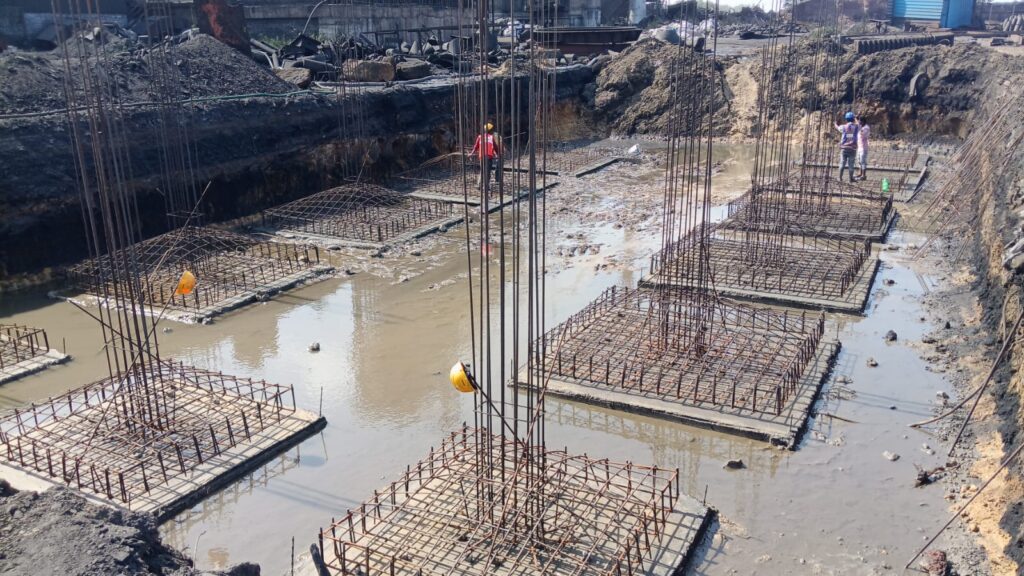
The site engineer is responsible for converting engineering drawings into actual construction while maintaining quality, safety, and cost control.
Major Responsibilities of a Site Engineer
1. Study Construction Drawings
Before starting any activity, the site engineer must thoroughly understand:
- Architectural drawings
- Structural drawings
- Reinforcement drawings
- Foundation drawings
- General arrangement drawings
- Bar Bending Schedule (BBS)
Proper understanding of drawings helps avoid construction errors and costly rework.
2. Site Layout and Setting Out
One of the first duties is to establish the correct layout using surveying equipment.
Typical activities include:
- Marking grid lines
- Checking building dimensions
- Establishing reference benchmarks
- Verifying column locations
- Confirming excavation boundaries
Accurate setting out is essential because even small errors can affect the entire structure.
3. Supervise Construction Activities
The site engineer monitors every stage of construction, including:
- Excavation
- PCC work
- Reinforcement fixing
- Formwork installation
- Concrete pouring
- Brickwork
- Plastering
- Flooring
- Waterproofing
- Finishing work
Regular supervision ensures the work complies with approved drawings and specifications.
4. Manage Manpower
Labour productivity has a direct impact on project progress.
The site engineer is responsible for:
- Allocating workers
- Assigning daily tasks
- Monitoring attendance
- Coordinating subcontractors
- Resolving labour issues
- Maintaining productivity
Proper manpower management helps achieve project milestones on time.
5. Ensure Quality Control
Quality is one of the most important responsibilities of a site engineer.
Daily quality checks include:
- Cement quality
- Steel diameter verification
- Concrete slump test
- Cube sample collection
- Reinforcement spacing
- Cover block checking
- Alignment verification
- Level checking
- Material approval
Every activity should comply with approved specifications and relevant IS Codes.
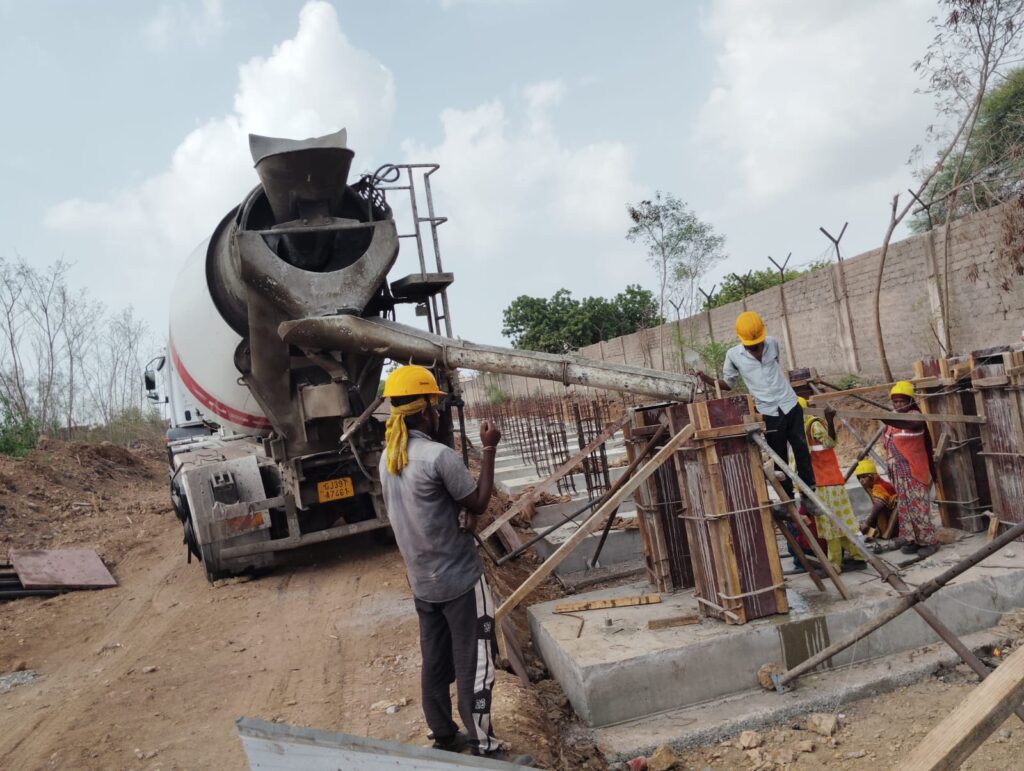
6. Maintain Site Safety
Construction sites involve many hazards. The site engineer must ensure:
- Workers wear PPE.
- Scaffolding is inspected.
- Excavations are protected.
- Electrical equipment is safe.
- Lifting operations follow approved procedures.
- Housekeeping is maintained.
- Toolbox talks are conducted regularly.
A safe work environment reduces accidents and improves productivity.
7. Material Management
Proper material planning avoids delays.
The site engineer should monitor:
- Cement stock
- Steel stock
- Aggregate availability
- Sand supply
- Bricks and blocks
- Admixtures
- Formwork materials
Material wastage should be minimized through proper storage and handling.
8. Coordinate with Different Teams
Construction projects require constant coordination with:
- Architects
- Structural consultants
- MEP engineers
- Surveyors
- Contractors
- Vendors
- Clients
- Project managers
Good communication prevents misunderstandings and improves workflow.
9. Record Daily Progress
Documentation is an essential part of site engineering.
Important records include:
- Daily Progress Report (DPR)
- Labour deployment report
- Material consumption
- Concrete pour records
- Cube test register
- Inspection reports
- Site photographs
- Delay reports
These records are valuable for project monitoring and future reference.
10. Quantity Measurement and Billing
The site engineer measures completed work for contractor billing.
Common measurements include:
- Earthwork
- Concrete
- Reinforcement steel
- Brick masonry
- Plastering
- Flooring
- Waterproofing
Accurate quantity measurement helps maintain project cost control.
11. Monitor Project Schedule
The engineer tracks daily progress against the approved schedule.
Key activities include:
- Preparing daily work plans
- Identifying delays
- Coordinating resources
- Updating progress
- Supporting recovery plans
Effective planning helps complete the project within the target timeline.
12. Solve Site Problems
Unexpected issues often arise during construction.
Examples include:
- Drawing discrepancies
- Material shortages
- Poor soil conditions
- Rain interruptions
- Equipment breakdowns
- Labour shortages
A good site engineer identifies problems quickly and implements practical solutions.
Essential Skills Every Site Engineer Needs
| Skill | Importance |
| Technical Knowledge | Understand construction methods |
| Drawing Reading | Correct execution |
| Surveying | Accurate layout |
| Communication | Team coordination |
| Leadership | Labour management |
| Quality Control | Better workmanship |
| Safety Awareness | Accident prevention |
| Time Management | On-time completion |
| Estimation | Cost control |
| Software Skills | Documentation and planning |
Daily Routine of a Site Engineer
A typical working day includes:
Morning
- Safety briefing
- Labour allocation
- Material verification
- Review daily targets
During Construction
- Supervise work
- Check quality
- Coordinate contractors
- Inspect reinforcement and formwork
- Resolve site issues
Evening
- Measure completed work
- Prepare Daily Progress Report
- Update project manager
- Plan next day’s activities
Common Challenges Faced by Site Engineers
- Labour shortages
- Material delays
- Weather interruptions
- Design revisions
- Tight deadlines
- Equipment failures
- Safety compliance
- Client expectations
Successful site engineers remain calm, communicate effectively, and make informed decisions under pressure.
Career Growth for Site Engineers
A site engineer can progress through the following career path:
- Graduate Engineer Trainee (GET)
- Junior Site Engineer
- Site Engineer
- Senior Site Engineer
- Construction Engineer
- Project Engineer
- Project Manager
- Construction Manager
Continuous learning, certifications, and practical experience help accelerate career growth.
Conclusion
A site engineer is one of the most important professionals on a construction project. They are responsible for planning, supervising, coordinating, inspecting, documenting, and ensuring that every activity is completed safely and according to specifications.
Strong technical knowledge, leadership, communication, and problem-solving skills are essential for success. By developing these abilities and gaining practical experience, a site engineer can build a rewarding career in the civil construction industry.
At Civil Construction Hub, our goal is to provide practical knowledge that helps civil engineers excel on-site and advance their careers.
Frequently Asked Questions (FAQs)
What is the main responsibility of a site engineer?
The primary responsibility is to supervise construction activities, ensure quality and safety, and complete the project according to approved drawings and schedules.
Is a site engineer responsible for quality control?
Yes. Site engineers inspect materials, monitor workmanship, conduct tests, and ensure compliance with project specifications.
Which software should a site engineer learn?
Useful software includes AutoCAD, Microsoft Excel, Primavera P6, MS Project, Revit, and quantity estimation tools.
What qualifications are required to become a site engineer?
A Diploma or Bachelor’s degree in Civil Engineering is typically required, along with practical site experience.
Suggested Internal Links
Once published, link this article to:
Call to Action
Enjoyed this guide? Bookmark Civil Construction Hub and subscribe to receive practical civil engineering tutorials, construction site tips, IS Code guides, quantity estimation methods, and career advice for civil engineers.
Good
Pingback: Balajee Infratech & Constructions Recruitment 2026- Join Now | Manager, Senior Manager & AGM – Billing & Planning Jobs | Maharashtra, Odisha & Gujarat - Civil Construction Hub
Pingback: Difference Between OPC and PPC Cement | Complete Guide for Civil Engineers, Contractors & Home Builders - join now. - Civil Construction Hub
Pingback: Ahluwalia Contracts (India) Limited Recruitment 2026: Apply for GM/AGM, Planning Manager & MEP Billing Engineer Jobs in Mumbai - Civil Construction Hub
Pingback: HG Infra Engineering Recruitment 2026: T&D Design, Survey, Liaison & HR Jobs in Gurgaon | Apply Now - Civil Construction Hub
Pingback: M20, M25, M30 Concrete Grades Explained: Complete Guide to Mix Ratio, Strength, Uses, and Selection - Civil Construction Hub
Pingback: Concrete Mix Ratio Chart for Different Grades (M5 to M50) | Complete Guide -Know it. - Civil Construction Hub
Pingback: Megha Engineering & Infrastructure Limited (MEIL) Hiring 2026: BESS Team Recruitment for Experienced Professionals - Civil Construction Hub